The Technology-Driven Gym Experience in Singapore: Apps, Wearables, and Smart Machines
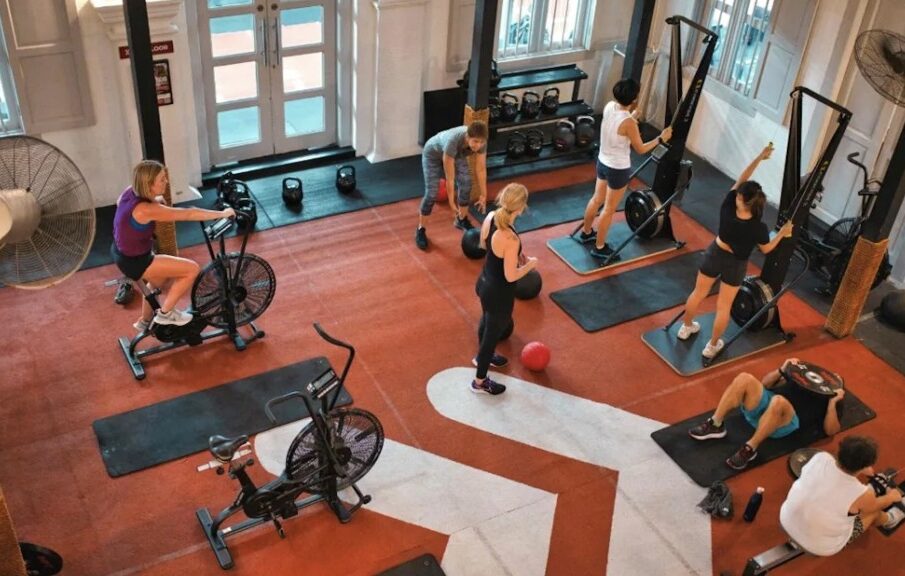
Technology has transformed every aspect of modern life, and fitness is no exception. In Singapore, where innovation meets lifestyle, gyms are increasingly integrating technology to create smarter, more efficient, and more engaging experiences. Today, when someone joins a fitness gym Singapore, they expect more than equipment and classes — they look for digital tools that track progress, personalise workouts, and make training more rewarding.
From AI-powered machines to fitness apps and wearables, technology is redefining the gym experience, enabling members to achieve better results while staying motivated.
The Evolution of Technology in Fitness
The fitness industry has come a long way from simple weights and treadmills. In Singapore, where urban professionals seek convenience and efficiency, gyms have embraced technology to enhance both performance and engagement. Innovations that once felt futuristic — such as virtual training, app-based bookings, and smart equipment — are now part of everyday fitness routines.
This evolution reflects a wider global trend where data and personalisation are at the heart of health and wellness. Members now have tools to track their progress in real time, set goals, and receive instant feedback.
The Rise of Fitness Apps
Mobile apps have become indispensable companions for gym-goers. They provide seamless access to class schedules, allow members to book sessions in seconds, and often integrate directly with wearable devices. In Singapore, where busy professionals rely on their phones for nearly everything, fitness apps make workouts easier to manage.
Key benefits include:
-
Convenience: Book classes and check availability instantly.
-
Personalisation: Track progress, log nutrition, and set tailored goals.
-
Engagement: Participate in challenges and monitor streaks.
-
Integration: Sync with wearables to measure heart rate, calories, and steps.
Apps make fitness not just a physical journey but a digital experience that fits seamlessly into daily life.
Wearables and Data-Driven Fitness
Smartwatches and trackers have become mainstream in Singapore. From tracking daily steps to monitoring heart rate and sleep cycles, wearables give members unprecedented insights into their health.
In gyms, these devices pair with machines and apps to provide live performance feedback. Members can see whether they are training in the right heart-rate zone, whether they are recovering adequately, and how their progress compares over time.
The ability to visualise data keeps members accountable, motivated, and better informed about their health choices.
Smart Machines and AI-Powered Training
Modern gyms now feature equipment that adapts to individual needs. AI-powered machines can automatically adjust resistance, recommend workout programmes, and track performance history. For members, this reduces guesswork and ensures safer, more effective training.
Examples include:
-
Smart strength machines: These record weight, reps, and sets automatically.
-
Interactive cardio equipment: Treadmills and bikes with virtual routes for immersive workouts.
-
Adaptive training programmes: AI algorithms that adjust intensity based on progress.
This personalisation means every workout is optimised for maximum results without requiring constant supervision.
Virtual Training and Hybrid Workouts
Another innovation reshaping fitness in Singapore is virtual training. Many gyms now offer hybrid models, combining in-person classes with live-streamed or on-demand sessions.
For busy professionals or members who travel frequently, virtual training ensures continuity. They can join a yoga class from home on remote days, then attend in-person spin sessions at the gym when in the city. This flexibility reflects Singapore’s increasingly hybrid lifestyle.
Gamification in Fitness
Gamification has become a powerful motivator in gyms. By turning workouts into interactive challenges, members stay engaged and competitive. Gamification can take many forms:
-
Leaderboards that track class performance
-
Points and rewards for consistency
-
Virtual badges for milestones
-
Group challenges that foster teamwork
These tools keep members motivated and encourage long-term commitment to fitness.
The Role of Community in Tech-Driven Gyms
Technology may be digital, but its greatest strength lies in enhancing community. Fitness apps and platforms allow members to connect, share progress, and motivate each other. Online leaderboards and social features create a sense of belonging, even outside gym walls.
For expatriates and locals alike, these digital communities foster accountability and camaraderie, making fitness a more enjoyable journey.
Data Security and Ethical Use
As gyms adopt more technology, protecting member data becomes essential. Fitness apps and wearables collect sensitive information such as heart rate, sleep quality, and health metrics. Gyms must ensure that data is stored securely and used responsibly.
Transparent policies and ethical practices help members trust that their information is being used to enhance their fitness journey, not misused for other purposes.
How True Fitness Integrates Technology
Modern fitness providers in Singapore recognise the importance of staying ahead with technology. True Fitness has embraced digital innovation by providing facilities where members can access advanced equipment, flexible booking systems, and a connected fitness experience. By blending physical training with digital tools, it supports a seamless lifestyle for busy professionals and families.
This integration ensures that members not only meet their physical goals but also enjoy the added motivation and accountability of a tech-enhanced environment.
Real-Life Member Experiences
Consider a young professional who uses a smartwatch linked to his gym app. He monitors his calorie burn during evening spin classes, tracks progress weekly, and receives personalised recommendations based on his recovery rate.
Another member, a working parent, uses the gym’s mobile app to book early morning sessions and join virtual classes from home when schedules get tight. The flexibility provided by technology allows her to stay consistent with fitness despite her demanding lifestyle.
These real-life scenarios show how technology bridges the gap between intention and action.
The Future of Tech-Driven Fitness in Singapore
The future promises even greater integration of technology in gyms. Emerging trends may include:
-
Virtual reality training for fully immersive workouts
-
Biometric scanning for tailored nutrition and training plans
-
AI personal trainers providing real-time form correction
-
Sustainability tracking linking eco-friendly practices to fitness goals
As innovation continues, gyms that invest in cutting-edge solutions will not only attract new members but also retain long-term loyalty.
Frequently Asked Questions (FAQ)
Q1. Do I need to be tech-savvy to benefit from smart gyms?
Not at all. Most systems are designed to be user-friendly, and trainers are available to guide members in using apps, wearables, and machines effectively.
Q2. Can fitness apps replace personal trainers?
While apps provide valuable data and recommendations, personal trainers still play a key role in tailoring programmes, correcting form, and motivating members.
Q3. Are wearable devices accurate for fitness tracking?
Most modern wearables are highly accurate for metrics like steps, heart rate, and sleep cycles. They are best used as guides rather than absolute measurements.
Q4. How do hybrid or virtual classes fit into busy lifestyles?
They provide flexibility. Members can join live or recorded classes from home or office, ensuring workouts continue even on hectic days.
Q5. Is my data safe when using gym apps and wearables?
Reputable gyms ensure strong data protection policies. Always check the provider’s privacy commitments before signing up.