The Future of EV Charging: Exploring High-Efficiency DC Chargers
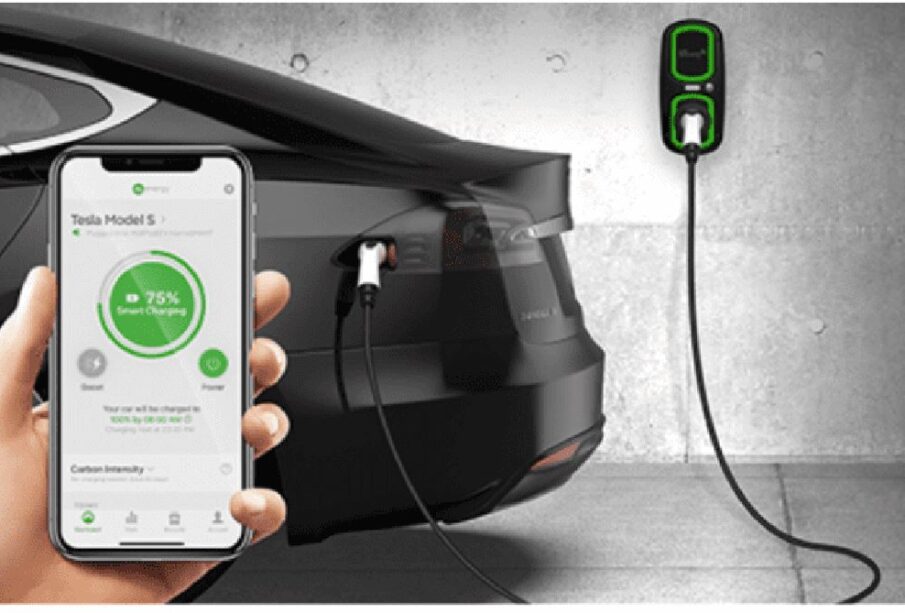
The rise of electric vehicles (EVs) across Thailand is transforming how we think about personal transport. As more drivers make the switch to electric, the demand for efficient and rapid charging solutions grows. The development of high-efficiency Direct Current (DC) chargers represents a significant step forward, promising to make EV ownership more convenient and practical for everyone. These advanced systems are helping to build a robust charging network across the nation.
The core advantage of DC fast chargers is their ability to deliver power directly to a vehicle’s battery, bypassing the car’s onboard converter. This direct connection enables a much quicker transfer of energy. The latest generation of these chargers can provide an ultra fast charge, dramatically reducing the time spent waiting for a battery to replenish. For drivers in busy cities like Bangkok or those on long-distance trips between provinces, this means less downtime and a more seamless driving experience. This technology is fundamental to supporting Thailand’s goal of expanding its EV market.
These high-efficiency chargers are not only about speed; they are also about intelligent power management. Modern units are designed to be highly efficient, minimising energy loss during the charging process. This means that a greater percentage of electricity drawn from the grid goes directly into the car’s battery. This efficiency is important for promoting sustainability, as it reduces overall energy consumption and supports Thailand’s commitment to a greener, more sustainable energy future.
The expansion of this technology has significant implications for Thailand’s infrastructure. Installing these powerful chargers requires careful planning to ensure grid stability. Energy providers are working to upgrade local grids to handle the increased demand, particularly in urban centres and along major highways. This development supports the government’s 30@30 policy, which aims for 30% of all vehicles produced in the country to be zero-emission by 2030. A widespread network of reliable, high-speed DC chargers is essential to achieving this ambitious target.
For the average EV driver in Thailand, the future looks bright. Imagine pulling into a service station on the way to Chiang Mai and getting enough charge for the next few hundred kilometres in the time it takes to grab a coffee. This level of convenience will make electric vehicles a truly viable option for a wider range of people.
As the technology continues to improve and the charging network expands, owning an EV in Thailand will become simpler and more practical than ever before. The continued rollout of high-efficiency DC chargers is paving the way for a cleaner, more sustainable transport system for the entire country. This progress is not just about new hardware; it is about building confidence among consumers and supporting a nationwide shift towards electric mobility.