Understanding Vinyl Plank vs Vinyl Sheet: Pros, Cons and Best Uses
Two Vinyl Options, One Big Decision
Vinyl flooring is well known for being durable, low-maintenance and budget-friendly, but not all vinyl is created equal. Two of the most common types are vinyl plank and vinyl sheet. Each has its own features, benefits and ideal uses depending on your space, style and budget.
If you’re looking at vinyl flooring in Falkirk, it’s worth understanding the differences between these two options before making a final decision. Whether you’re flooring a single room or an entire home, choosing the right type can affect everything from installation to everyday comfort.
What Is Vinyl Plank Flooring?
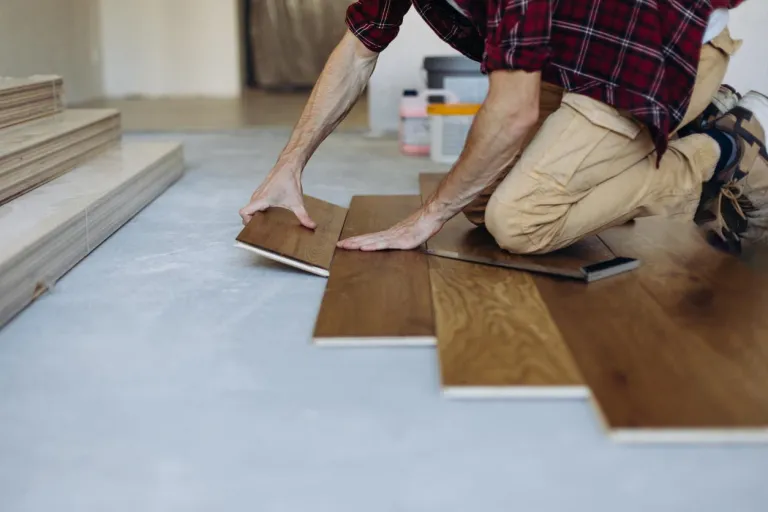
Vinyl plank flooring mimics the appearance of hardwood boards. It’s made up of individual planks, usually with a click-lock or glue-down installation system. The design options are wide-ranging, from oak-effect to more contemporary grey finishes, and the texture often feels more realistic underfoot compared to older vinyl styles.
Because it comes in separate pieces, it’s easier to repair — if one plank becomes damaged, it can be removed and replaced without lifting the whole floor. This makes vinyl plank a smart choice for family homes, busy hallways or anywhere you want a stylish yet practical finish. It’s also more forgiving on uneven subfloors, as the individual planks can flex slightly without creating bubbles or wrinkles.
What Is Vinyl Sheet Flooring?
Vinyl sheet flooring comes in large, continuous rolls and is cut to size to fit your room. This creates a completely seamless finish, which is particularly useful in bathrooms or kitchens where water resistance is essential. Because there are no joins or gaps, it’s much harder for spills to seep beneath the surface.
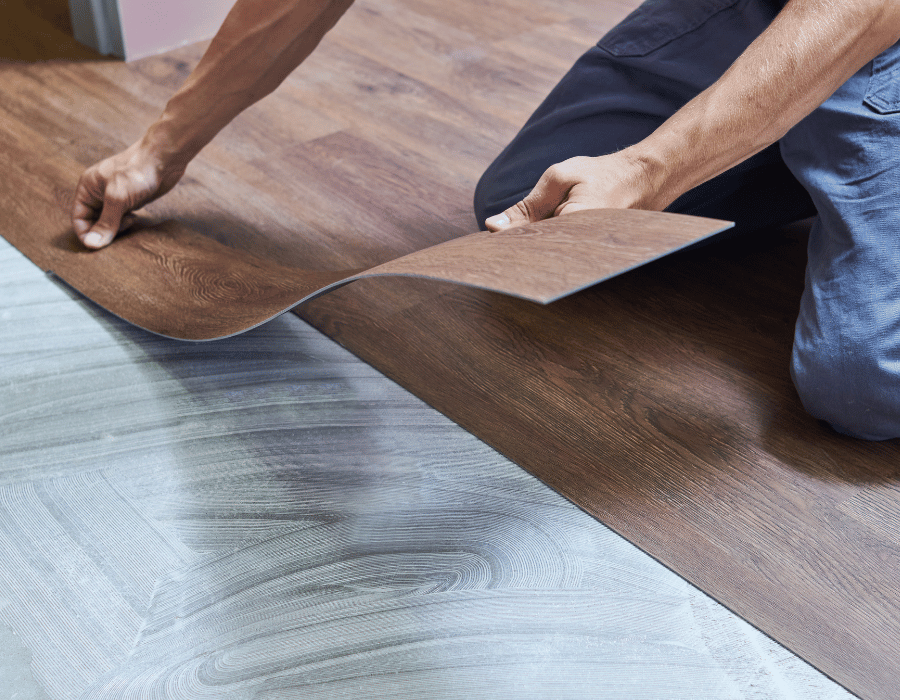
Sheet vinyl is generally cheaper per square metre than plank options and quicker to install in large or open-plan areas. It also tends to be softer and warmer underfoot, especially if paired with a suitable underlay. However, repairs can be trickier — if part of the sheet is damaged, it’s difficult to replace just one section without it being noticeable.
Comparing Appearance and Style
Both plank and sheet vinyl come in a variety of finishes, but vinyl planks tend to look more realistic when imitating wood or tile. The individual layout adds depth and texture, which enhances the natural effect. Sheet vinyl has come a long way in terms of design, but it can still appear more uniform and slightly less authentic up close.
If your focus is on achieving a high-end look without the price tag of real wood or stone, vinyl planks often deliver a more convincing result. For rooms where practicality and easy cleaning are top priorities — such as utility rooms or children’s play areas — sheet vinyl’s seamless surface may be the better option.
Best Uses for Each Type
Use vinyl plank in:
- Living rooms or bedrooms where you want the look of wood
- High-traffic areas where individual plank replacement might be needed
- Homes with pets or children where durability is key
Use vinyl sheet in:
- Bathrooms, kitchens or laundry rooms where water resistance matters most
- Larger spaces where a seamless look is desirable
- Budget-focused projects needing quick installation
Both types offer excellent performance when installed correctly. The right choice ultimately depends on how the space is used and what features you prioritise most.